
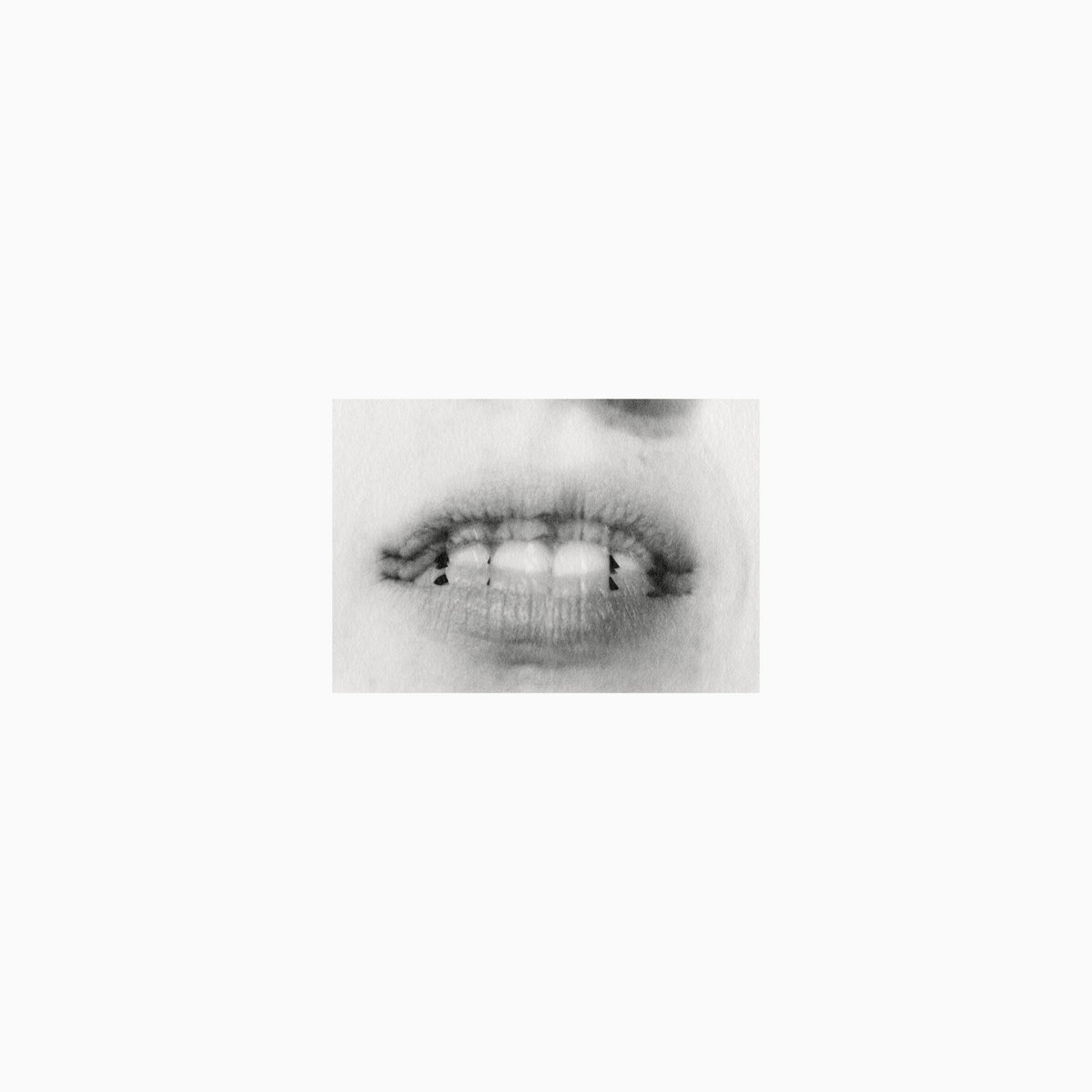
On Argot, Passepartout Duo embarks on an exploration of how we communicate and collaborate with electronic devices. At its core, Argot reimagines the synthesizer as more than a mere sound generator: it is an intelligent talking machine, a voice from a parallel world.
Each track is a prismatic encounter, where electronic utterances—shifting, unpredictable, and eloquently strange—are etched onto the resonant bodies of traditional acoustic instruments.
With its gestural arcs of simple harmonies, the synthesizer breathes ancient wisdom into Argot. It doesn’t sing in a recognizable language, yet its voice feels familiar: timeless, contemplative, and eerily sentient.

Stripped of conventional rhythmic scaffolding, the music is simultaneously delicate and untethered, its machine-speak full of unexpected grace. Against this, the acoustic instruments act as companions, reflecting humanity’s ongoing search for beauty within the unknown lexicon of intelligent sound.
Conceived largely during a residency at Stockholm’s legendary Electronic Music Studio, Argot sees Passepartout Duo partnering with the enigmatic 1970s Serge Modular System. This instrument feels less like a tool and more like an unpredictable co-creator.
The Serge doesn’t just generate notes; it converses, offering fragments of sound that feel as if they were stumbled upon rather than composed. Using speech melody transcription as a launching point, the duo crafts complex piano passages that spiral outward like glimpses of another dialect, a language suspended between the machine and the human.
The album dances between contrasts: quirky and solemn, bright and weightless, sweet and crystalline. In pieces like “Back in Time” and “Kissing in the Park, Briefly,” Pärt-like minimalism emerges—pristine and patient, its simplicity radiant yet fragile. Meanwhile, the motoric pulse and anthem-like energy of tracks such as “Get Along” and “Imitates a Penguin” weave moments of rhythmic insistence into an otherwise airy soundscape.
The synthesizer, here, acts like an eccentric conversationalist, capable of both erupting into buoyant chatter and lapsing into thoughtful silence.
A notable departure from the duo’s previous works, Argot extends its sonic dialogue to include musician friends from across the globe, creating an album as borderless as its themes. In “Colourful Quartz,” the breathy, agile runs of Japanese traditional flutes rival the synthesizer’s tonal acrobatics, momentarily revealing the instability at the machine’s core.
In “Uncommon,” a jazz-inflected double bass strains to surface amid a whirl of electronics, while in “Viols and Violas, in Mus,” the ghostly presence of a string quartet casts a spectral calm over the meeting point of strangeness and serenity.
Even the album’s track titles participate in the project’s playful exploration of language. Lifted from crossword puzzle clues, the phrases shed their conventional meanings to become minimalist poems—wry, enigmatic, and evocative.
They stand in sharp contrast to the music’s often serious emotional weight, but they, too, hint at Argot’s larger preoccupation: the ways we create meaning in the spaces between words, sounds, and machines.
Argot is an invitation to listen differently—to hear the synthesizer not as an object but as a being. A machine that speaks, sings, and, perhaps, dreams. Is the Singularity near? It may be closer than we’d like to think.




Leave a Reply