
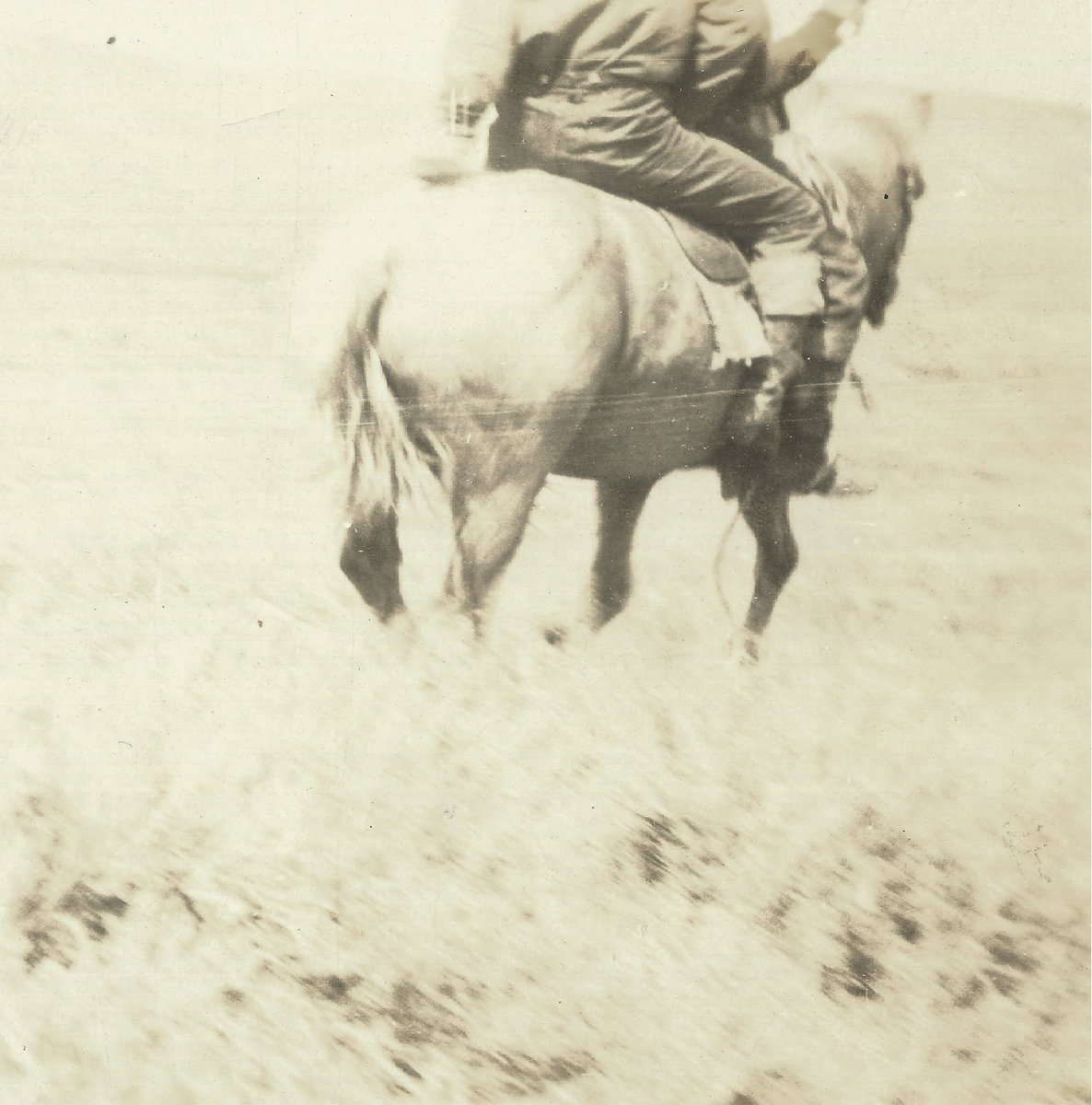
In 1971, Peter Fonda—Hollywood outlaw, counterculture cowboy, and the man who once rode a chopper straight into cinematic legend—decided he wasn’t done with the West.
But instead of another bullet-riddled showdown or a sun-scorched revenge tale, he gave the world The Hired Hand, a Western that wasn’t really a Western, an elegy wrapped in dust and silence. It drifted across the screen like a half-remembered dream, its bones made of longing and regret, its blood slow-moving and golden under the sun.
And then there was the soundtrack.
Bruce Langhorne—mystic, session guitarist, and the real-life Mr. Tambourine Man—stripped the usual spaghetti Western theatrics to the bone, leaving behind only echoes, reverberations, and the hum of a ghost town at dusk.

Gone were the sweeping orchestras and the operatic howls of Morricone’s trumpets. Instead, Langhorne conjured a sound that was both spectral and intimate, a soundtrack that felt less like a musical score and more like the desert whispering secrets into the wind.
With only a handful of instruments—guitar, violin, some feather-light percussion—Langhorne sculpted soundscapes that didn’t demand attention so much as they drifted into the subconscious, seeping into the cracks of the film’s slow-burning melancholia.
The music barely seemed to exist, yet it was everywhere like the scent of sagebrush after rain or the way the sky turns violet just before night swallows it whole.
At the heart of The Hired Hand film was Harry Collings (Fonda), a drifter whose years of wandering had etched silence into his bones. Alongside his weary companion Arch Harris (Warren Oates), he returns home to a wife (Verna Bloom) who has long since buried the idea of his return.
But this is no triumphant homecoming, no third-act redemption arc. This story is about things left unsaid, time lost, and love weathered down to something brittle.
The film moves slowly and hypnotically, wrapped in the golden glow of Vilmos Zsigmond’s cinematography. Its dialogue is sparse, and its emotions are stretched tight across vast, empty landscapes.
And Langhorne’s music seeps into the cracks, filling the spaces between words, between glances, between the past and the present.
His compositions are like sonic mirages—folk music untethered from time, blues that have been stretched and blurred into something unrecognizable. In a world that had long relied on galloping rhythms and gunfire crescendos, Langhorne introduced silence as an instrument, making room for the wind, breath, and the ache of wide-open spaces.
The result was something entirely new that would, years later, find a name: ambient country. This genre was built on the idea that country music could dissolve into the air, that steel guitars could shimmer like heat waves, and that folk could be an atmosphere rather than a melody.
Langhorne laid the foundation, and decades later, artists like SUSS, William Tyler, and Chuck Johnson would pick up the thread, weaving pedal steel, synth drones, and cosmic echoes into new sonic frontiers.
In 1971, though, The Hired Hand was too strange, quiet, and resistant to expectation. It wasn’t a Western you watched so much as one you sank into like quicksand.
Critics didn’t know what to do with it. Audiences, expecting gunfights and grit, found themselves wrapped in an elegy, a film that felt like the last breath of the Old West itself. But time has a way of bending, turning what was once overlooked into legend.
The film became a cult classic, and the soundtrack became something more—a blueprint for a sound that would take decades to find its proper name.
Bruce Langhorne may not have set out to invent a genre, but what he created still lingers. The Hired Hand remains one of Western film history’s most haunting and unshakable cinematic experiences. Langhorne’s music is its ghost, still drifting, whispering, and waiting to be heard.


Leave a Reply