
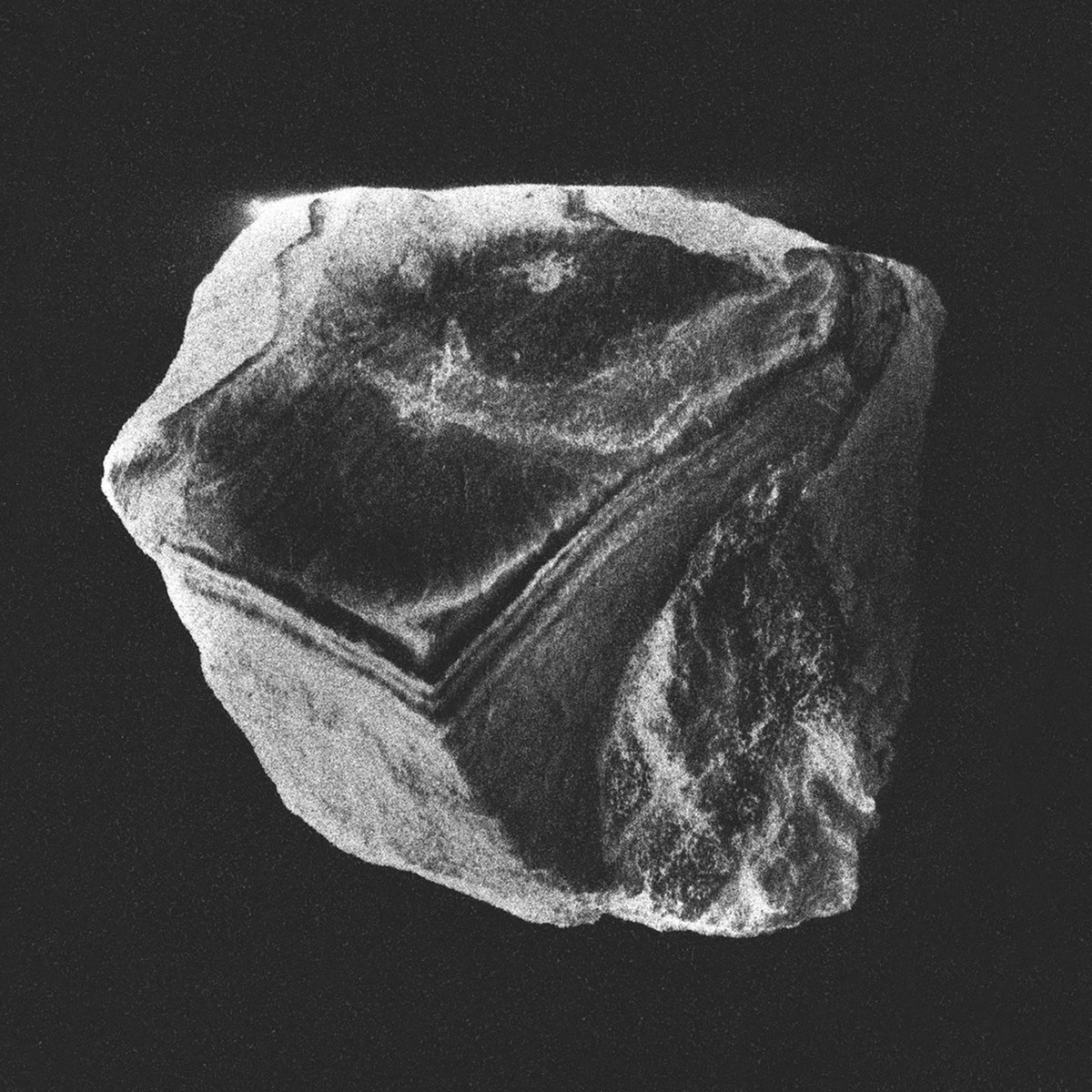
Formed in 2015 by Mathieu Gabry and Christine Ott, Snowdrops is a musical duo that blends contemporary classical, jazz, and electronic music with the evocative spirit of film scores. Their music paints, whispers, and roars.
Now, ten years since their inception, Snowdrops returns to Gizeh Records with their fourth album, Singing Stones (Volume 1). It’s the beginning of a series celebrating the richness of time, both slow and enduring.
The album floats between post-classical reverie, progressive chamber music, and immersive deep listening, offering an alchemy of analog and acoustic textures that feel intimate, intense, and often cinematic.

At times dreamy and narrative-driven, Singing Stones offers rich sounds and emotions that manage to be all these things at once.
At the heart of the album are two beautiful pieces: “Crossing” and “Arctic Passage”—works that have become signature performances for Snowdrops, gracing stages like Lyon’s Opéra Underground, Berlin’s Silent Green, and most recently, the Autres Mesures Festival in Rennes.
“Crossing” is a nearly 20-minute epic traversing ambient jazz, baroque electronics, and a mystical polyrhythmic coda. It’s a living, breathing blend of piano and the ethereal ondes Martenot, a modern masterpiece that feels like a story told without words.
“Arctic Passage,” on the other hand, is a nocturnal journey through icy landscapes. It captures the fragility of decomposing icebergs and the haunting beauty of nature on the brink. It invites listeners to actively hear what might soon be lost—a poignant, meditative experience in sound.
Drawing inspiration from Olafur Eliasson’s installation The Weather Project, Snowdrops reunites with viola virtuoso Anne-Irène Kempf, a collaborator from their albums Volutes and Missing Island. But the real surprise on Singing Stones is the addition of Bartosz Szwarc’s accordion, which breathes subtle new life into tracks like “Ligne de Mica,” “The River,” and “Dreamers.”
“Ligne de Mica” was crafted for an exhibition by visual artist Léa Barbazanges, inspired by mica’s shimmering, shape-shifting qualities. The music mirrors this, with its interplay of ondes Martenot, analog synths, and bass accordion. It’s minimalist yet expansive, a sonic reflection of Barbazanges’s visual magic.
The opening track, “Corridors,” pays homage to Thai director Phuttiphong Aroonpheng, for whom Snowdrops composed scores for his films Manta Ray (2018) and Morrison (2023).
Inspired by Morrison, “Corridors” unfolds like a miniature symphony, an intricate dance of breaths and silences searching for presence and meaning. Aroonpheng’s artistry extends to directing the video clip for “The River,” a nostalgic yet therapeutic neo-classical gem that lingers in the soul.
The album’s visual identity is equally compelling. It features artwork by Belgian artist Julie Calbert, drawn from her Hyperion series. Her work perfectly encapsulates the album’s themes of fluidity and timelessness, adding another layer to Snowdrops’ multi-sensory world.
Singing Stones (Volume 1) is a journey through soundscapes that are as haunting as beautiful. Its blend of progressive arrangements, rich textures, and profound storytelling invites listeners to lose themselves in its depths and discover something new with each listen.
Whether you’re a fan of post-classical, avant-garde jazz, or evocative film scores, Singing Stones is a must-hear experience.
Check out Singing Stones (Volume 1) by Snowdrops on Bandcamp here.



Leave a Reply