
Genre labels are consistently slippery, and, in the end, they don’t matter much. If the music sounds good, who cares?
For the most part, genre labels exist merely for marketing and rock journalism. If you ask most serious musicians to discuss genre, it’s a boring topic to them.
One genre that always seemed especially slippery to me was grunge. While many of the original grunge bands that emerged from Seattle had similarities, it’s hard to define the grunge sound. Did Nirvana and Pearl Jam sound the same? Not necessarily. Alice In Chains didn’t sound much like those two, either. And that’s not to mention other grunge bands like Mudhoney, Screaming Trees, and TAD.
The grunge scene was similar to punk in that it was primarily defined by a shared ethos and aesthetic of the bands who brought it to prominence and the vehement rejection of the plastic, vapid hair metal of the ‘80s. Just like the early punk movement gave the collective middle-finger to bloated classic rock bands of the ‘70s, grunge flipped off the rock excess and machismo of the ‘80s.
You could also say the grunge aesthetic was defined by themes like alienation, angst, and darkness in general. The main thrust behind the grunge movement was characterized as “Generation X’s malaise” and a sense of disillusionment. Kurt Cobain, Jerry Cantrell, and others weren’t exactly writing happy songs, after all.
Some “grunge” bands who rose to stardom were heavier than others. And perhaps none was as heavy as Soundgarden.
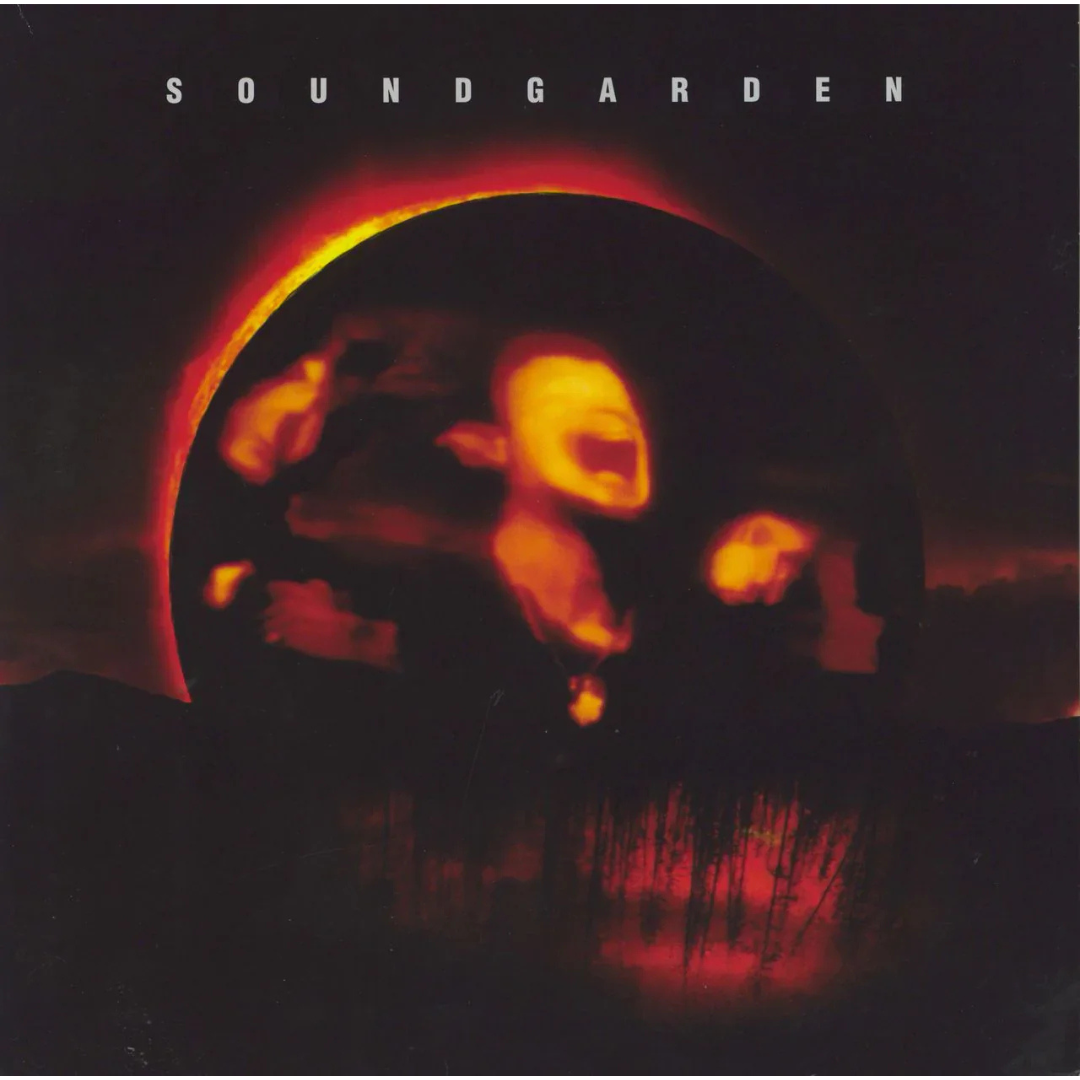
Soundgarden’s classic record Superunknown, released in 1994, is often hailed as one of the defining albums of the grunge movement. At a time when bands like Nirvana, Pearl Jam, and Alice in Chains were dominating the scene, Superunknown carved out a unique space for itself.
While it is categorized as a grunge album, its sound is so heavy, sludgy, and groove-oriented that it arguably has more in common with the stoner rock genre. With dense riffs and hypnotic rhythms, Superunknown transcends its grunge label and delves into territory unmistakably influenced by stoner rock.
Grunge was a genre built on a foundation of punk rock energy mixed with heavy metal and alternative rock elements. While Soundgarden’s early work fits this paradigm, by the time they reached Superunknown, they had evolved into something much heavier and atmospheric.
This shift, rooted in classic heavy metal, aligns with the core characteristics of stoner rock, a subgenre that prizes thick guitar tones, crushing grooves, and a trippy, otherworldly vibe. In this way, I would argue that Superunknown can be viewed as a grunge classic and an essential piece of the stoner rock canon.
The shift to a heavy rock powerhouse
Soundgarden didn’t start as the doom-laden, sludgy powerhouse heard on Superunknown. Their debut album, Ultramega OK (1988), was more raw and punk-influenced, and Louder Than Love (1989) continued in that direction with a heavier, metallic edge. However, Badmotorfinger (1991) shifted the band toward a more refined and crushingly heavy sound.
With Badmotorfinger, Soundgarden embraced more complex time signatures, tighter production, and the influence of classic heavy metal. Songs like “Rusty Cage” and “Outshined” showcased their ability to combine driving, distorted riffs with intricate rhythms, a signature of their developing sound.
This album was pivotal in the band’s career, setting the stage for the more expansive and experimental Superunknown.
The influence of classic rock bands like Black Sabbath and Led Zeppelin cannot be overstated in Soundgarden’s development. Black Sabbath’s downtuned, slow, and heavy approach was one of the foundations of stoner rock and doom metal, and Soundgarden channeled this sound.
The hypnotic grooves and fuzzed-out guitar tones defining stoner rock were integral to the Superunknown experience, suggesting that Soundgarden was tapping into something much heavier than their grunge peers.
The lumbering riffs of Superunknown
One reason Superunknown can be viewed as a stoner rock album because of its sheer heaviness. Many of the tracks on the album feature sludgy guitars and lumbering riffs that wouldn’t be out of place on an album by Kyuss or Sleep.
Take “4th of July,” for example. This crushing dirge features deep, distorted guitars that create a suffocatingly heavy atmosphere. The riff feels like dragging itself through the dirt, conjuring a mood more in line with stoner rock than grunge.
Another standout is “Mailman,” a track that leans heavily into Sabbath-inspired riffs. Its downtuned guitar work and sludgy pace are classic stoner rock elements. The repetition of the riff creates a hypnotic effect, lulling the listener into the song’s oppressive groove.
“Head Down” is a different type of heavy, incorporating hypnotic melodies that swirl and mesmerize. The song’s dreamy, almost trance-inducing quality is another hallmark of stoner rock, where the combination of groove and atmosphere becomes just as important as the heaviness of the riffs.
Finally, “Limo Wreck” provides another example of Superunknown’s flirtation with stoner rock. The song’s slow, dirge-like riffs and doom-laden overtones recall bands like Sleep, whose crushing heaviness defines the genre.
At the heart of these songs is Chris Cornell’s primal scream, which adds an extra layer of intensity to the already devastating instrumentation. Matt Cameron’s drumming also deserves mention, as his intricate yet heavy rhythms provide the foundation for the album’s hypnotic, groove-oriented nature.
Superunknown’s trippier side
Another component of stoner rock is its psychedelic influence, and Superunknown has a few moments that incorporate trippy sounds.
The most notable example is “Black Hole Sun,” a song that drips with surrealist imagery and a dreamlike quality. While the song achieved massive commercial success, its psychedelic elements tie it more closely to the spacey, heady atmosphere that defines stoner rock.
“Like Suicide” is another track that blends heavy and atmospheric elements, much like the best stoner rock songs. The slow burn builds tension, weaving in and out of crushing riffs and softer, more meditative moments. This ebb and flow of intensity is a hallmark of stoner and desert rock bands, whose music often oscillates between crushing heaviness and lysergic tranquility.
Tracks like “Head Down” and “Black Hole Sun” embrace rock’s trippier, more experimental side, creating an otherworldly soundscape. This is where Soundgarden’s stoner rock tendencies shine.
A legacy beyond the grunge scene
While Superunknown is universally recognized as a grunge album, it shares many characteristics with stoner rock.
This genre fluidity speaks to the album’s timelessness and ability to transcend strict genre labels. Like many bands of their era, Soundgarden drew from various influences, including metal, psych-rock, and grunge, making it difficult to categorize their music neatly.
The crossover between stoner and grunge makes sense when considering the shared influences of both genres. Bands like Black Sabbath and Led Zeppelin pioneered the heavy riffing and expansive soundscapes of stoner rock and grunge central to Soundgarden’s sound.
The legacy of Superunknown extends far beyond the grunge scene. The album was both a critical and commercial success, solidifying Soundgarden’s place as one of the most influential rock bands of the ‘90s.
Its influence can be felt not just in grunge but in subsequent generations of heavy, psychedelic, and stoner rock bands. Bands like Queens of the Stone Age and Electric Wizard have cited Soundgarden as an influence, particularly the heavier, more psychedelic elements of Superunknown.
While Superunknown is remembered as a grunge classic, it is equally essential as a stoner rock album. Its sonic weight, psychedelic undertones, and genre-defying nature make it a cornerstone of both genres, cementing its place as one of the most influential albums of the ‘90s.


Leave a Reply