
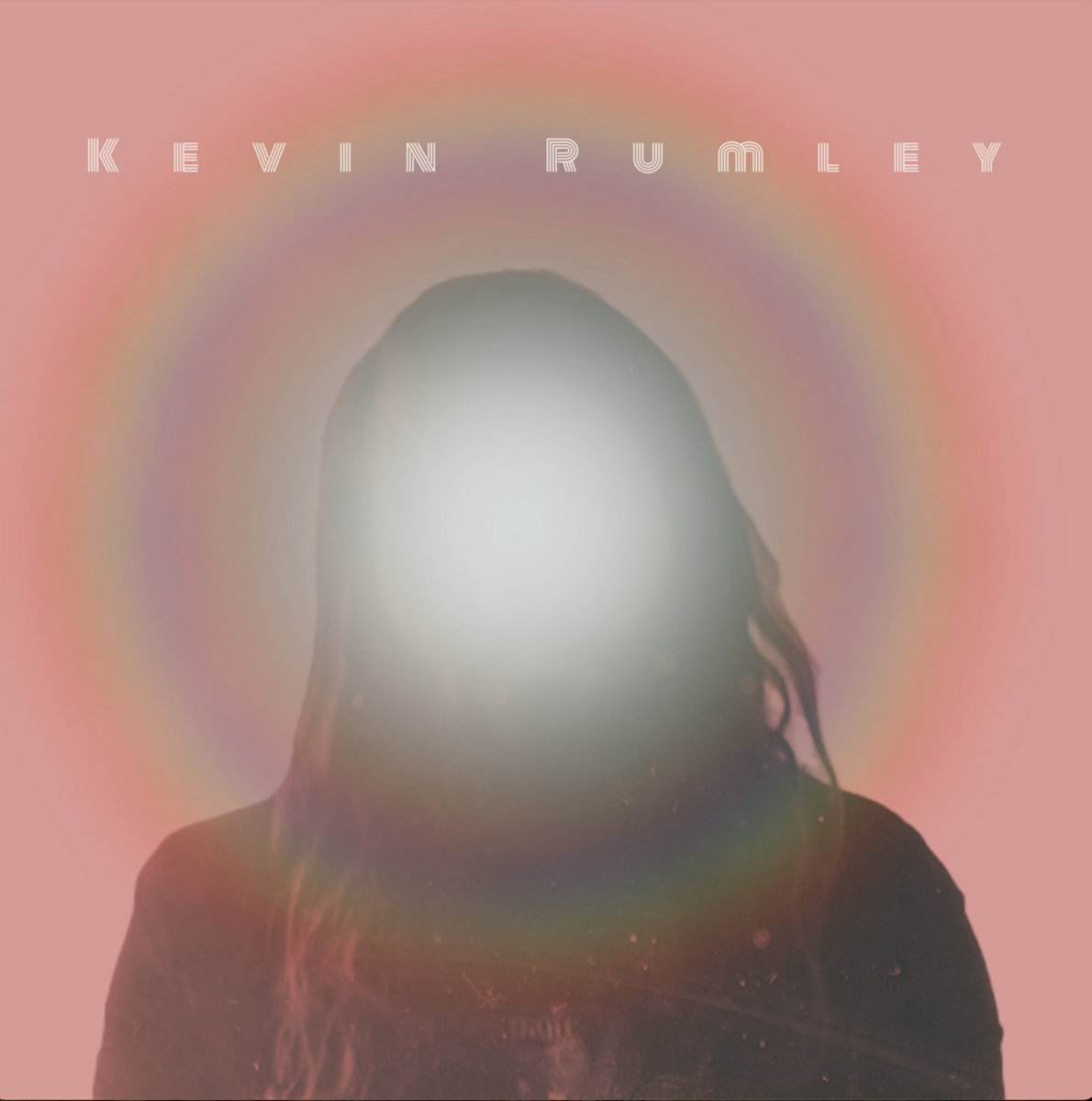
Kevin Rumley is not your average musician. While many artists make music as a form of healing, for Kevin, the healing aspect goes much deeper. Rumley released his debut solo EP, VI, on April 7, 2024, which is twenty years ago, to the day that he was almost killed in Iraq while serving with the U.S. Marines.
For another reason, April 7, 2024, is a significant day in Rumley’s life. Thirteen years ago to the day, he found recovery from alcohol, opioids, and heroin. VI represents songs of profound healing and catharsis for Kevin.
Rumley received his doctorate in social work from the University of Tennessee. He is a combat-wounded veteran who strongly advocates for peace and lives in Asheville, North Carolina. In addition to his work as a counselor for veterans, Kevin started a podcast in 2023 about the individuals involved and impacted by the Veterans Court called “Voices of Recovery.”
Music has always been part of Kevin’s life. He and his brother, Matt, have created music together since childhood, releasing tunes under the moniker Her Marigold. Kevin and his high school friends, Rick and Alex, continue writing and releasing music under the name Bandazian. Rumley also serves as the touring drummer for Tyler Ramsey.
Rumley’s VI is a triumphant collection of psychedelic songs with a profound spiritual feel. It encompasses six tracks that soar to the heavens and reveal how Kevin has been from hell to back again to bring them to us.
The Third Eye corresponded with Rumley via email, and he was kind enough to answer our questions. Check out the interview with Kevin below, where he discusses his new EP, how music is such a powerful healing force, and the stark challenges of transitioning from military to civilian life.
Interview with Kevin Rumley

Third Eye: Thanks for doing this interview! Can you introduce yourself and your music?
Kevin Rumley: Thanks so much. I am Kevin Rumley, and I make melodic landscapes. Years of drug abuse and addiction have arguably changed my brain. I find it difficult to simply exist. Most days, I am convinced I am not real. But a simple two-chord melody goes a long way in making me believe I am a person.
Third Eye: The story behind your album is incredibly beautiful and inspirational. I’m interested that you have over 200 recordings and narrowed it down to six songs. Can you tell me about the recording process? And what do you plan to do with the rest of the music you recorded?
Rumley: There are advantages and disadvantages to not being proficient at ‘music.’ I have such a low bar for what inspires me; I am happy to vamp on two chords and call it a ‘song.’ For me- making a song or a musical landscape is like a child who knows three things about music and just keeps exploring those three things. I haven’t an idea of what I am doing, but I keep throwing ideas at the wall. Once I have a cohesive ‘landscape,’ I bring it to friends and sing the ideas that I hear in my head. They translate those into reality, in addition to adding their own style.
I plan just to keep releasing music in small batches. I am just honored to be able to do that!
Third Eye: I love how you talk about music as a healing force, which I absolutely agree with. As you mentioned, music therapy is also an evidence-based treatment for various illnesses, especially for addiction and mental health. Do you use music therapy as a social worker and veteran counselor? And why do you think music is so incredibly powerful in this way?
Rumley: The veterans I support usually suffer from a lifetime of unaddressed mental health, addiction, and trauma symptoms. Music is a gentle gateway for connection. When a person shares about a certain style of music they like, you have the opportunity to explore all of their memories, attachments, and joys associated with it. Music is this calming force that takes us to places where words alone fall short.
Third Eye: As you noted, you’ve been a musician your whole life, but the story of this new EP begins with your time serving in the Marines and your near-death experience. Can you describe to us how you managed to heal the trauma of that experience and what that journey has been like?
Rumley: As I shared, I am convinced I am not real most days. That’s a trauma response they call depersonalization. It feels like an acid trip that never actually ends. I believe healing is a journey. And I am still very much on it every single day. I cannot escape the brain or body I carry. I can only change my relationship with them. All of that to say…I am still trying to figure it all out. And music is part of the ‘attempt.’
Third Eye: Many of us civilians often hear about PTSD among veterans, but I get the sense we don’t fully grasp how deep it goes. What is the hardest part of transitioning back to civilian life for veterans? What was the most challenging part for you?
Rumley: I think the hardest part to understand might be how trauma changes the brain and nervous system. It is a sneaky f***er. It convinces the brain that you are under threat. It makes it impossible to view situations objectively. The brain just feels under constant assault.
I have also seen how the military-industrial machine capitalizes on young bodies and sends them to do their bidding in war. It is all under the guise of ‘a greater calling.’ The military propaganda machine in the States infuses every aspect of our lives. From movies, books, magazines, culture, etc.… America has a blood lust. The young service members are left to pick up the pieces. The brain isn’t fully developed until the age of 27, but I served with a bunch of 18-year-olds, and the Officers were 22 years old.
To operate at that level, you need to dehumanize the enemy. A person cannot kill another if they view them as a human, with hopes and dreams, love and connection. Transitioning out of the service can take a toll on a young brain. It took years of deconstructing my own belief system, deconstructing my values, and dismantling the colonialist oppressor mindset that I had been brainwashed to maintain at age 18 as a Marine. That can hinder a person’s transition immeasurably. The process of challenging our own beliefs and values is critically important. But I didn’t have the tools to do that as a young person. Which, in many ways, is why I turned to alcohol, substances, and oblivion.
Third Eye: Asheville, North Carolina, is known for its great music scene, and I want to visit it someday soon. What is the music scene like in Asheville? And what makes it so special?
Rumley: It really is next level. At the center of the scene is Drop of Sun Studios. They are this creative powerhouse. From FUST, Avey Tare (Animal Collective), Wednesday, Indigo De Souza, Angel Olsen, and Nightlands (from Warr on Drugs). We also have Floating Action, Scott McMicken and the EVER-EXPANDING (from Dr. Dog), Tyler Ramsey, and MJ Lenderman. There is something in the water!
Third Eye: What’s one band or artist right now – and it could be from any genre – that you’re excited about and think everyone should listen to?
Rumley: FUST. They just finished recording at Drop of Sun, but their previous albums are magical. I highly recommend them.
Third Eye: Last question – What’s next for your music career? What are some long- and short-term goals you’re setting for yourself?
Rumley: I just want to keep creating and releasing music my friends and family enjoy.
It would be amazing to have a song of mine used for a skateboarding video part….or in any capacity with work committed to the struggle against genocide, militarization, and colonization.
Check out VI by Kevin Rumley on Bandcamp here.


Leave a Reply