
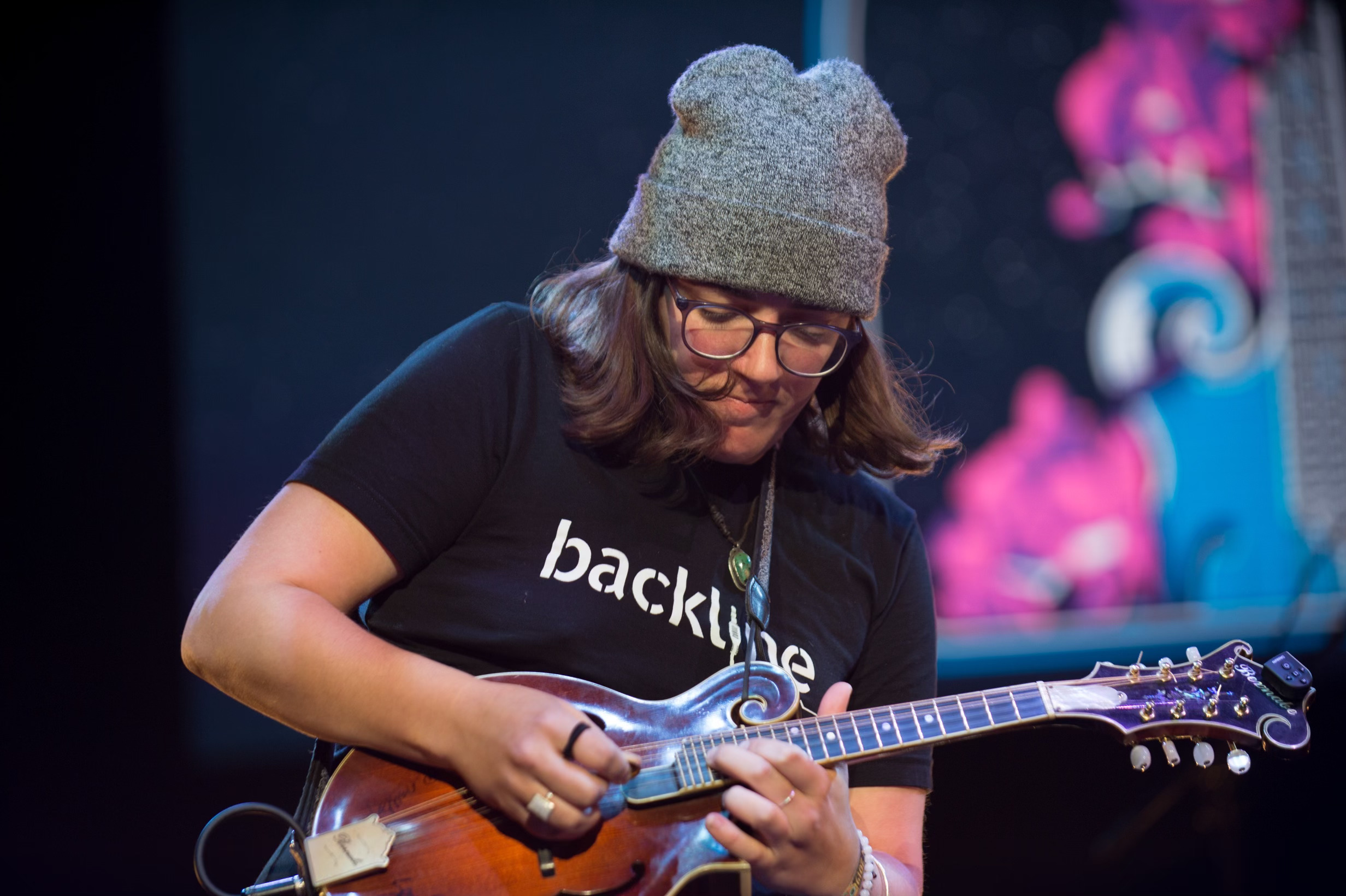
Being a working musician is tough. The music industry has always been rough and feels even more so today. And great amounts of creativity can come with challenges, too. I know that personally as a writer and obsessive creative-type living with bipolar disorder and being in recovery for several years.
That’s why I was interested when I received an email from a music nonprofit called Backline, which offers mental health support and resources for musicians.
As a leading mental health and wellness non-profit dedicated to the music industry, Backline is reshaping the landscape of support for a healthier, more sustainable music community.
Focused on connecting musicians, touring professionals, venue staff, crew members, and their families with essential mental health resources, Backline has become a beacon of hope for those navigating the unique pressures of this industry.
Now, more than ever, it’s crucial for industry leaders to step up. Backline is making the path forward clearer and more accessible, ensuring that support is within reach for everyone in need.
A lifeline for music professionals
Since its founding in 2019, Backline has been a lifeline for thousands of music professionals. It offers a comprehensive range of services that address the emotional, psychological, and physical challenges that come with life in the music industry.
Through 1:1 Case Management, individuals and families receive personalized care plans tailored to their unique needs. Whether they’re finding the right mental health professional, navigating financial aid, or addressing substance use treatment, Backline connects people with the care they need from professionals who understand the nuances of the music world.
The organization has crafted over 1,700 custom care plans for individuals across countless bands, genres, festivals, and venues. By supporting one person, Backline strengthens entire teams, tours, families, and productions, creating a ripple effect that bolsters the well-being of the whole industry.
Now in its fifth year, Backline is standing firm in the face of an escalating mental health crisis within the music industry. Grueling tour schedules, rising costs, and the relentless demands of the job have only intensified, putting more pressure on industry professionals. Through it all, Backline has remained a crucial pillar of support, offering a safety net for those who need it most.
Although Backline is a “non-crisis” organization, its reputation as a trustworthy, confidential resource has made it a first call for many music professionals during their darkest moments.
Backline’s small but mighty team, often working outside typical hours, is there when those calls come in — even if it means answering the phone in the middle of the night.
A rise in urgent situations
The rise in urgent situations has been significant in 2024, and the organization is ramping up efforts to expand its staff, transitioning to a full-time team capable of meeting this growing demand. But this surge in need requires broad-based support to ensure Backline can continue to be there for the long haul.
Some artists are taking proactive steps to support Backline’s mission. Earlier this year, Noah Kahan partnered with the organization to create a Tour Support program that provided his team wellness education, workshops, and resources during a grueling seven-month tour.
Kahan even donated funds from his Busyhead Project to cover mental health care costs for his 78-person crew.
In a conversation with Billboard, he explained, “I’ve always wondered why there isn’t more support in this industry — not just for the artists, but for the crew, the people working from 7 a.m. to 2 a.m. Touring isn’t a nine-to-five job, and it’s hard to take care of yourself when you’re struggling on the road. Working with Backline has been special, knowing that this resource is available for my team.”
The music industry is starting to take notice. Organizations like the North American Concert Promoters Association, Sony Music Group, and bands like Goose and Dead & Company have prioritized mental health, supporting Backline’s efforts to create a more caring and connected community.
On World Mental Health Day, which also marked Backline’s fifth anniversary, the organization called on more industry leaders—record labels, promoters, venues, festivals, and management teams—to come together and take action.
The mental health needs of this community are growing, and addressing them is no longer optional—it’s essential. Without greater investment in mental health care, many professionals will continue to struggle in silence. The future of the music industry depends on creating a culture that values well-being and sustainability, where mental health is front and center.
If you’re a musician interested in Backline’s support, check out their website here. You can also find them on Instagram and Facebook.


Leave a Reply